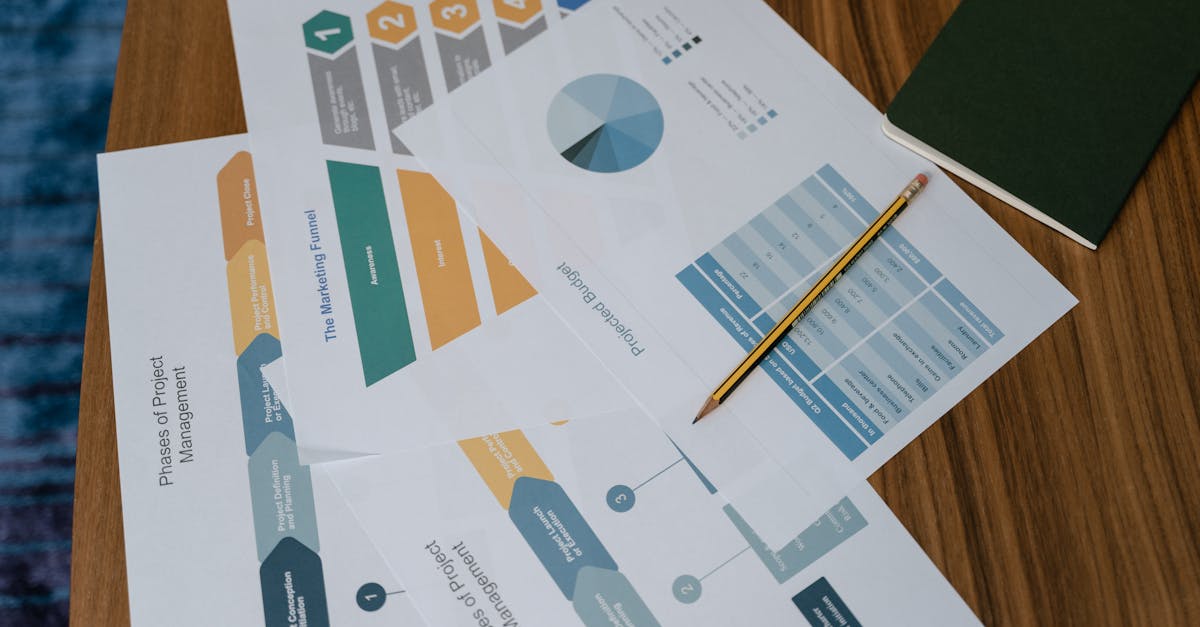
Table of Contents: How to Create a Marketing Funnel That Works
- How to Create a Marketing Funnel That Works
- Understanding the Marketing Funnel: More Than Just a Diagram
- The Core Stages of a Marketing Funnel
- Crafting Your Funnel: A Step by Step Blueprint
- Optimizing Your Funnel for Peak Performance
- Common Pitfalls to Avoid When Building Your Funnel
- The Future of Funnels: Always Evolving
- Conclusion: Your Funnel, Your Success Story
- Frequently Asked Questions About Marketing Funnels
How to Create a Marketing Funnel That Works
Ever feel like you are throwing marketing spaghetti at the wall, just hoping something sticks? We have all been there. The digital landscape is a noisy place, overflowing with brands clamoring for attention. Without a clear strategy, it is easy to get lost in the shuffle, wasting precious time and resources on efforts that do not truly convert. But what if there was a way to guide your potential customers, step by careful step, from merely noticing your brand to becoming a loyal advocate? That, my friend, is the magic of a marketing funnel that truly works.
Imagine a well organized journey, laid out for every person who interacts with your business. It is not about tricking people into buying; it is about providing value, building trust, and making the path to purchase as smooth and logical as possible. A powerful marketing funnel takes the guesswork out of customer acquisition and retention, replacing it with a predictable, scalable system. We are talking about moving beyond random acts of marketing and creating a coherent strategy that delivers tangible results. Are you ready to stop wishing for sales and start building a system that consistently brings them in? Let’s dive deep into crafting a marketing funnel that is not just a diagram on a whiteboard, but a powerhouse for your business growth.
Understanding the Marketing Funnel: More Than Just a Diagram
Before we roll up our sleeves and start building, it is crucial to really grasp what a marketing funnel is all about. It is more than just a pretty graphic with a wide top and a narrow bottom. It is a conceptual model that illustrates the ideal customer journey, from their very first interaction with your brand to their eventual purchase and beyond. Think of it as a strategic roadmap for your audience.
What Exactly Is a Marketing Funnel?
At its core, a marketing funnel is a visualization of the process consumers go through from initial awareness of a product or service to the final purchase. It breaks down the complex journey into manageable, sequential stages. Why a funnel shape? Because, naturally, you will have a much larger group of people at the top who are simply aware of you, compared to the smaller, highly engaged group at the bottom who are ready to make a purchase. It is a filtering process, where less qualified leads drop off, and highly engaged prospects move closer to conversion. This structure allows you to tailor your marketing messages and efforts precisely to where a customer is in their decision making process, making your communication far more effective and less generic.
For example, you would not propose marriage on a first date, right? Similarly, you would not hit someone with a “Buy Now!” button the very first time they hear your brand name. The funnel ensures you are delivering the right message, at the right time, to the right person. It is about nurturing relationships, not just pushing products.
Why Your Business Absolutely Needs One
So, why bother with all this funnel talk? Is it really that important? Absolutely! In today’s competitive landscape, simply having a great product or service is not enough. You need a system to bring it to the right people. A well designed marketing funnel provides clarity, focus, and a significant boost to your marketing ROI. It helps you:
- Understand your customer: By mapping their journey, you gain invaluable insights into their needs, pain points, and motivations at each stage.
- Optimize your marketing spend: Instead of scattering your budget, you can strategically allocate resources to the areas that need the most attention, ensuring every dollar works harder.
- Improve conversion rates: Tailored content and offers move prospects smoothly towards purchase, drastically increasing the likelihood of conversion.
- Identify bottlenecks: When a stage is not performing, your funnel highlights it, allowing you to quickly diagnose and fix issues.
- Create predictable growth: With a working funnel, you can forecast sales and growth more accurately, making business planning much easier.
The Power of Predictability
Imagine knowing, with a reasonable degree of certainty, that for every 100 people who enter the top of your funnel, 5 will become paying customers. This kind of predictability is gold for any business owner. It allows you to scale your marketing efforts with confidence, knowing what to expect in return. It transforms marketing from a hopeful gamble into a calculated investment. This predictable flow allows you to set realistic goals, plan for resource allocation, and ultimately, build a more resilient and growth oriented business. It is the difference between hoping for success and actively engineering it.
The Core Stages of a Marketing Funnel
While the exact terminology might vary slightly from one expert to another, most marketing funnels share common, fundamental stages. Understanding these stages is the bedrock of building an effective funnel. Let’s walk through them, breaking down what happens at each point and what your goals should be.
Stage 1: Awareness (Top of the Funnel)
This is where it all begins. At the Awareness stage, people are just discovering your brand, product, or service. They might not even be actively looking for a solution yet; they are simply becoming aware that a problem exists or that something new is out there. Your goal here is to cast a wide net and capture as much attention as possible from your target audience. Think about being seen and heard in a crowded marketplace.
Capturing Attention in a Noisy World
How do you grab someone’s attention when they are scrolling through an endless feed or searching for something else entirely? The key here is to provide value, entertain, or inform, without asking for anything in return just yet. Content at this stage should be broad, educational, and easily digestible. We are talking about blog posts that answer common questions, engaging social media content, entertaining videos, catchy advertisements, press releases, or search engine optimization (SEO) efforts that put you front and center when people are looking for related information. The aim is to introduce your brand gently, pique curiosity, and establish yourself as a credible source of information or a potential solution provider. Do not push for a sale; simply introduce yourself.
Stage 2: Interest (Middle of the Funnel)
Once a prospect is aware of your brand, the next step is to cultivate their interest. They have noticed you, and now they are curious to learn more. At this stage, they are actively seeking information and exploring potential solutions to their problems. Your job is to keep them engaged, provide more in depth value, and begin to position your offering as a viable option.
Nurturing That Spark of Curiosity
This is where you start to deepen the relationship. The content you provide should be more specific and problem solution oriented. Think of it as moving from a casual chat to a more meaningful conversation. This could involve downloadable guides or e-books that delve deeper into topics discussed in your awareness content, webinars that offer free training, case studies that showcase your success, or even interactive quizzes that help them understand their needs better. Email marketing campaigns become incredibly powerful here, allowing you to drip feed valuable content and stay top of mind. The goal is to educate, demonstrate your expertise, and build trust, showing them *how* your solution can address their specific challenges without overtly selling.
Stage 3: Desire (Middle to Bottom of the Funnel)
As prospects move from interest to desire, they are no longer just exploring; they are actively evaluating options and considering how your solution specifically fits their needs. They are thinking, “Could this really work for me?” This stage is all about converting that intellectual interest into an emotional connection and a strong preference for your brand.
Building a Compelling Case
Here, your content needs to be highly persuasive and directly address any remaining doubts or objections. This is where you showcase what makes you different and better. Think about personalized product demos, free trials that let them experience your offering firsthand, testimonials and reviews from satisfied customers, detailed comparison charts, or one on one consultations. You want to highlight the benefits and unique selling propositions, paint a vivid picture of the positive outcomes they will experience, and create a sense of urgency or exclusivity. This is your chance to really seal the deal emotionally and logically, making them not just want a solution, but to specifically desire *your* solution.
Stage 4: Action (Bottom of the Funnel)
Congratulations! You have nurtured a prospect all the way to the Action stage. This is the moment of truth, where they are ready to make a purchase, sign up, or take whatever conversion step you have defined. Your primary goal now is to make that final step as effortless and appealing as possible.
Guiding Them to the Finish Line
At this point, any friction in the process can lead to abandonment. Your call to action (CTA) needs to be crystal clear, prominent, and compelling. Ensure your checkout process is streamlined, your forms are simple, and your pricing is transparent. Offer incentives like discounts, bonuses, or guarantees to sweeten the deal. Think about things like “Buy Now,” “Sign Up for Free,” “Get a Quote,” or “Book a Demo.” Follow up emails for abandoned carts are crucial here. You have done all the hard work; now make it incredibly easy for them to complete their journey and become a customer. This isn’t just about closing a sale; it is about delivering on the promise you have built throughout the entire funnel.
Crafting Your Funnel: A Step by Step Blueprint
Now that we understand the stages, let’s get practical. Building a marketing funnel that truly works is an iterative process, but following these steps will set you on the right path.
Step 1: Define Your Ideal Customer
Who are you trying to reach? This is the most foundational question. Without a clear understanding of your ideal customer, your marketing efforts will be like shooting in the dark. Go beyond basic demographics. Create detailed buyer personas. What are their demographics (age, location, income)? What are their psychographics (values, interests, lifestyle)? What are their pain points? What problems are they trying to solve? What are their goals and aspirations? Where do they hang out online? What content do they consume? The more intimately you know your ideal customer, the better you can tailor your messaging, content, and channels to resonate with them at every stage of the funnel. This deep dive into your audience will inform every subsequent step.
Step 2: Map the Customer Journey
With your ideal customer firmly in mind, it is time to map out their journey through your funnel. For each stage (Awareness, Interest, Desire, Action), ask yourself:
- What questions do they have at this stage?
- What information do they need to progress?
- What objections or hesitations might they have?
- What actions do I want them to take?
- What content or touchpoints will help them move to the next stage?
Visualize the path. If they read your blog post (Awareness), what is the next logical step? Perhaps signing up for a newsletter (Interest). If they sign up for the newsletter, what next? A free guide or a webinar (Desire). If they attend the webinar, what is the ultimate call to action (Action)? This mapping helps you identify gaps in your current marketing and ensures a logical, seamless progression for your prospects.
Step 3: Choose the Right Channels and Content
Once you know who you are talking to and what path they will take, you need to decide where you will meet them and what you will say. The channels you choose should align with where your ideal customer spends their time online. For example, if your audience is primarily on LinkedIn, then B2B content marketing and targeted ads there will be more effective than, say, TikTok. Similarly, the content must be appropriate for the specific stage of the funnel.
Content for Each Funnel Stage
Let’s break down content types specifically:
- Awareness: Think high volume, low commitment. Blog posts that address general problems, engaging social media posts, YouTube videos (how to guides or entertaining shorts), infographics, podcasts, PR mentions, paid ads (display, social media). The goal is to introduce, educate, and entertain.
- Interest: This content is more in depth and asks for a bit more commitment, often in exchange for an email address. E books, whitepapers, detailed guides, webinars, email newsletter sign ups, comparison articles, quizzes, gated content. Here, you are building credibility and demonstrating expertise.
- Desire: This content needs to be highly persuasive and specific to your offering. Case studies, testimonials, product demos, free trials, consultations, detailed product pages, competitive analyses, live Q and A sessions, retargeting ads showcasing specific features. You are converting desire into conviction.
- Action: Clear and direct. Landing pages with strong calls to action, easy checkout flows, order forms, direct sales pages, limited time offers, guarantees, direct response ads. Make it impossible to miss the “buy” button.
Remember, the goal is to move them naturally from one piece of content to the next, guiding them deeper into your world.
Step 4: Implement Lead Magnets and Compelling CTAs
Lead magnets are the irresistible offers you use to capture contact information, typically in the Interest or Desire stages. These are valuable pieces of content or tools that your audience receives in exchange for their email address. Examples include free e books, templates, checklists, mini courses, exclusive webinars, or free trials. A great lead magnet solves a specific problem for your ideal customer and leaves them wanting more.
Complementing lead magnets are your Calls to Action (CTAs). These are the specific instructions that tell your audience what you want them to do next. “Download Now,” “Learn More,” “Sign Up,” “Buy Now,” “Get Your Free Trial.” CTAs must be clear, benefit oriented, and prominently placed. Do not make people guess what to do next. A strong CTA is the signpost guiding them through your funnel.
Step 5: Set Up Tracking and Analytics
Building a funnel without tracking its performance is like driving blindfolded. You absolutely need to set up robust analytics to measure every step of the customer journey. This includes website analytics (Google Analytics, etc.), email marketing metrics (open rates, click through rates), conversion tracking (sales, sign ups), and ad platform insights. What are your conversion rates from awareness to interest? From interest to desire? From desire to action? Where are people dropping off? By meticulously tracking these metrics, you gain the data needed to identify bottlenecks, understand what is working, and make informed decisions for optimization.
Optimizing Your Funnel for Peak Performance
A marketing funnel is never truly “finished.” It is a living, breathing system that requires continuous optimization. Think of it like a garden; you plant the seeds, but you also need to water, weed, and prune to ensure it flourishes. Here are some key strategies for continuous improvement.
A/B Testing: Your Secret Weapon
A/B testing, also known as split testing, is your best friend when it comes to optimization. It involves creating two versions of a piece of content, a webpage, an email subject line, or a CTA button (Version A and Version B) and showing them to different segments of your audience to see which performs better. Instead of guessing, you can scientifically determine what resonates most with your audience. Test everything! Headlines, images, button colors, copy length, pricing structures, email layouts. Even small tweaks, identified through consistent A/B testing, can lead to significant improvements in your conversion rates over time. It is all about making data driven decisions to refine your funnel’s effectiveness.
Personalization: Speaking Directly to Your Audience
In a world saturated with generic messages, personalization cuts through the noise. It is about delivering tailored experiences to individuals based on their data, behavior, and preferences. Imagine receiving an email that addresses you by name, recommends products you have actually shown interest in, or provides content directly relevant to your industry. That feels different, right? Personalization can be implemented across your funnel: dynamic website content that changes based on past visits, email sequences triggered by specific actions (or inactions), or even ad creatives that reflect previous interactions. The more personal your communication feels, the stronger the connection you build, and the more likely people are to convert. It makes your audience feel seen and understood, fostering loyalty and engagement.
Remarketing and Retargeting Strategies
What about those who showed interest but did not convert? They are not lost causes; they are prime candidates for remarketing and retargeting. This involves showing targeted ads to people who have previously interacted with your website or content but did not complete a desired action. Did someone visit your product page but not buy? Retarget them with an ad for that specific product, perhaps with a small discount or a reminder of its benefits. Did they abandon a cart? Send them an email reminder. Remarketing keeps your brand top of mind, addresses potential hesitations, and gives prospects another chance to convert. It is an incredibly cost effective way to recover lost leads and boost your funnel’s bottom line.
Common Pitfalls to Avoid When Building Your Funnel
While the concept of a marketing funnel seems straightforward, there are common mistakes that can derail even the best intentions. Being aware of these pitfalls can help you steer clear of them and build a more robust system.
Neglecting a Stage
One of the biggest mistakes businesses make is focusing too heavily on one stage while neglecting others. Some pour all their energy into getting traffic (Awareness) but have no coherent plan for nurturing that traffic into leads (Interest/Desire). Others are great at closing sales (Action) but struggle to generate enough qualified leads to feed the top of their funnel. A truly effective funnel requires attention and optimized strategies at *every* stage. Think of it like a chain: it is only as strong as its weakest link. A weakness in any stage will impact the overall performance and efficiency of your entire funnel. Ensure you have dedicated content, channels, and strategies for guiding prospects through each transition.
Forgetting Follow Up
You have captured a lead with a great lead magnet. Fantastic! Now what? A common error is failing to follow up effectively or, worse, not following up at all. A lead magnet is not an end goal; it is a gateway. Your email sequences, for instance, should be carefully crafted to nurture that new lead, provide more value, build trust, and gently nudge them towards the next stage of the funnel. Do not just send one email and hope for the best. Plan a series of relevant, engaging communications that continue the conversation. Timely and valuable follow up is crucial for moving prospects from passive interest to active desire and ultimately, to action. Remember, sales often happen on the fifth, seventh, or even tenth touch, not the first.
The Future of Funnels: Always Evolving
The digital marketing world is constantly shifting, and so too are the strategies for effective funnels. What worked perfectly five years ago might need a refresh today. Emerging technologies like AI and machine learning are revolutionizing how we understand and interact with customers, enabling even deeper personalization and automation. Voice search, augmented reality, and new social platforms will undoubtedly introduce new touchpoints and channels. The key to long term success is to remain agile and adaptable. Keep your finger on the pulse of industry trends, continually educate yourself, and be willing to experiment. Your funnel is not a static construct; it is a dynamic system that should evolve with your business and your customers. The core principles of understanding your audience and guiding them through a journey will always remain, but the tools and tactics we use to achieve this will continue to innovate.
Conclusion: Your Funnel, Your Success Story
Creating a marketing funnel that truly works is arguably one of the most impactful strategies you can implement for your business. It is a commitment, for sure, requiring thoughtful planning, consistent effort, and a willingness to analyze and adapt. But the payoff? A predictable, scalable system for attracting, nurturing, and converting customers that brings clarity to your marketing efforts and fuels sustainable growth. No more guessing games, no more scattered attempts. Instead, you have a clear, data driven pathway to success.
Remember, your marketing funnel is a dynamic tool. Build it with intention, monitor it with diligence, and optimize it relentlessly. By focusing on providing immense value at every stage, understanding your audience deeply, and making their journey as seamless as possible, you are not just building a sales machine; you are building lasting relationships. So, take these steps, apply them to your unique business, and watch your marketing funnel transform into your most powerful asset. Your success story is just waiting to unfold.
Frequently Asked Questions About Marketing Funnels
1. How long does it take to build a working marketing funnel?
Building a functional marketing funnel can vary significantly in time, typically ranging from a few weeks to several months. It depends on the complexity of your business, the resources you have, and how quickly you can create content and set up tracking. Remember, “working” is an ongoing process of optimization, so while the initial setup might be quick, refinement is continuous.
2. Do I need different funnels for different products or services?
Often, yes. While you might have an overarching brand funnel, specific products or services, especially if they target different customer segments or solve distinct problems, will benefit from their own tailored funnels. This allows for highly relevant messaging and a more personalized customer journey for each offering.
3. What are the most important metrics to track in a marketing funnel?
Key metrics include conversion rates at each stage (e.g., visitor to lead, lead to qualified lead, qualified lead to customer), traffic sources, cost per lead, customer acquisition cost (CAC), and customer lifetime value (CLTV). Tracking these helps you identify where your funnel is strong and where it needs improvement.
4. Can a marketing funnel be fully automated?
While many aspects of a marketing funnel can and should be automated (like email sequences, ad triggers, and CRM updates), a fully automated funnel might miss out on the human touch. The best funnels blend automation with opportunities for personalized human interaction, especially in the Desire and Action stages, to build deeper relationships and address complex customer needs.
5. What’s the biggest mistake beginners make when creating a funnel?
The biggest mistake is usually trying to skip stages or focusing solely on the “Action” stage (the sale). Beginners often rush to ask for the sale without first building awareness, providing value, or nurturing interest. This leads to low conversion rates and frustrated prospects. Remember, successful funnels are about guiding, not just selling.